

Developer furniture in Malaysia is the furniture a property developer buys for show homes, sales galleries and shared amenity spaces, usually as one package. Most projects get it wrong in two places: they order too late, and they treat every space the same. Developer furniture Malaysia buyers need three things: a clear list of what goes where, a finish palette that holds across the whole project, and a dated schedule that lands before handover. This guide covers each of those, with a checklist you can send to suppliers this week.
What does developer furniture in Malaysia cover?
Developer furniture covers any piece you buy and do not take away with the unit. That splits into two groups with different rules.
Show homes and sales galleries
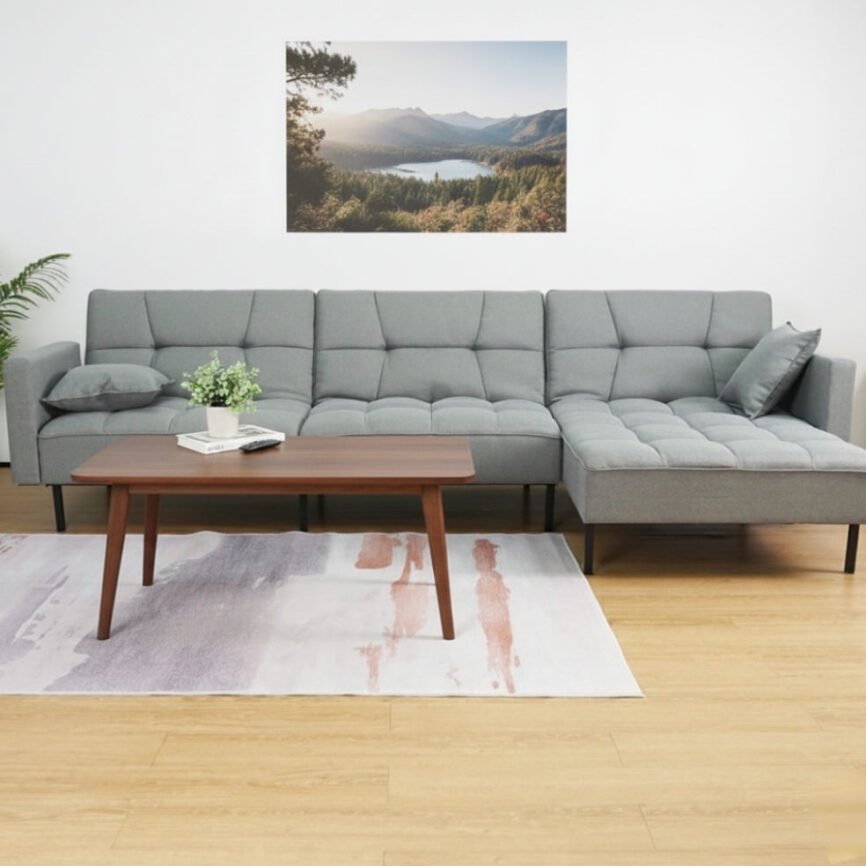
Show homes sell a lifestyle, so the furniture has to match the buyer you are targeting. It also has to survive daily viewings. A sales gallery sees more visitors in a month than a home sees in a year, so the upholstery and timber need to be chosen for handling, not just looks.
Condominium amenity decks and shared spaces
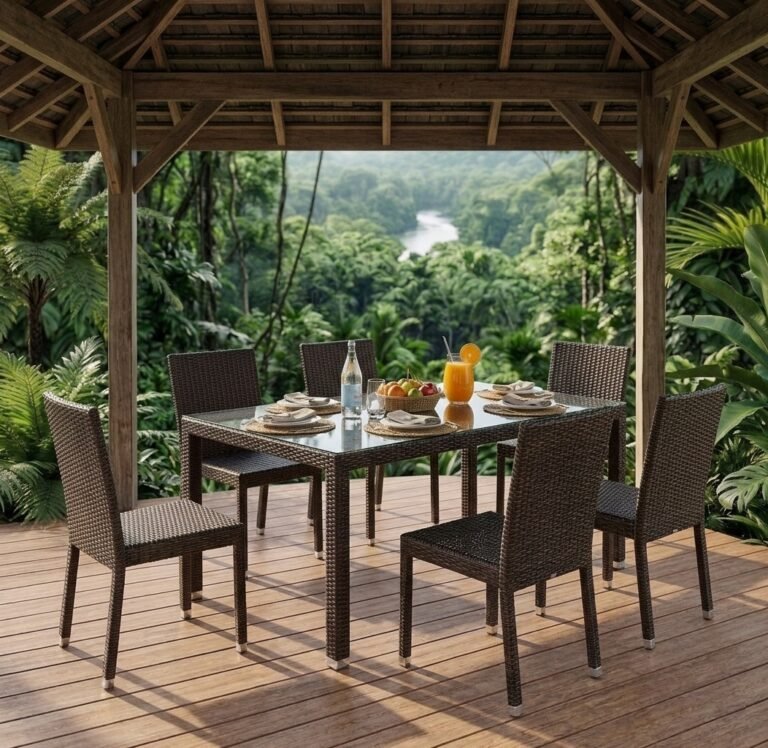
Amenity furniture sits outdoors or in lobbies and gyms, where residents use it every day. Pieces here face sun, rain and heavy use. Pick materials for the harshest spot on the deck, not the nicest one.
What should a developer furniture package include?
A complete package lists every piece by room and by space, not just by product type. Ask suppliers to quote against this list:
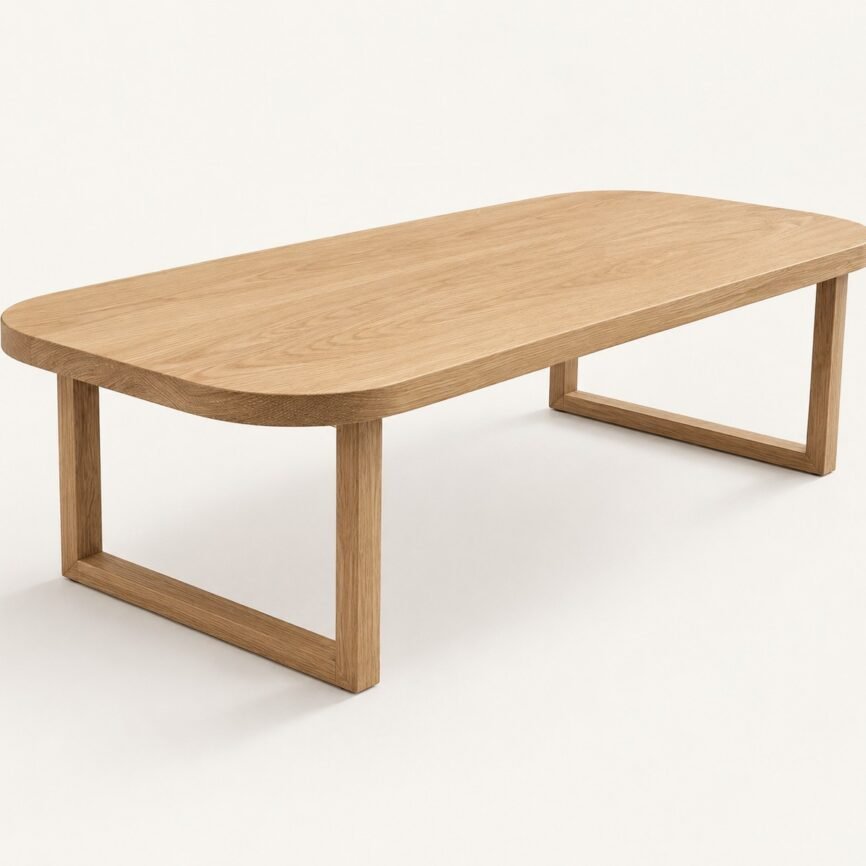
- Show home living, dining and bedroom sets, with the sofa and table sizes fixed on the floor plan
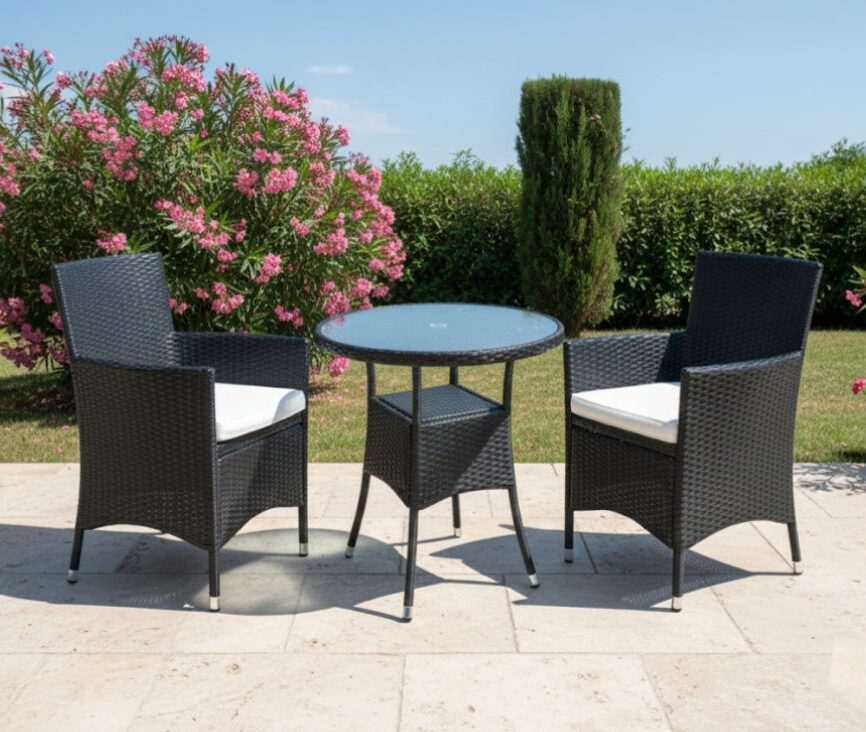
- Outdoor sets for the amenity deck, such as outdoor dining sets and sun loungers
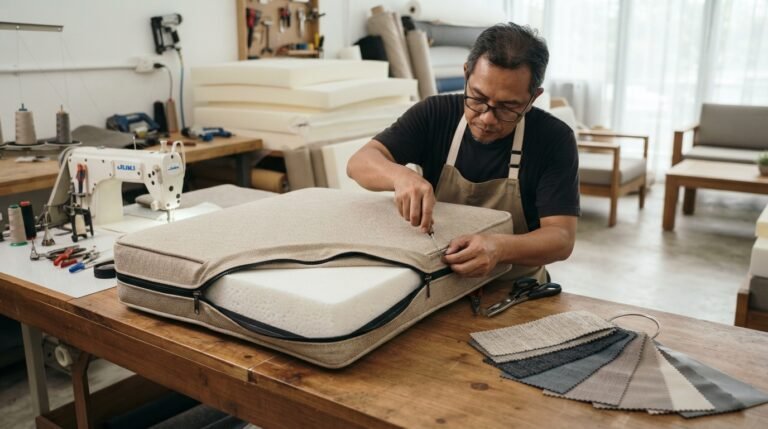
- Upholstered pieces in the approved fabric, with a plan for cushion and upholstery replacement
- A spare set of the most used pieces, stored on site
- Assembly on site and removal of packaging, which the assembly and disposal service covers
- Written warranty terms and a named contact for repairs after handover
A package without a spare set and a replacement plan is only a quote for the first month.
Which materials suit which space?
Material choice follows exposure. The table below compares the common options for developer projects. Use it to shortlist, then confirm each finish with the supplier in writing.
| Material | Best space | Main strength | Main weakness | Upkeep |
|---|---|---|---|---|
| Teak (sourced from Indonesia) | Covered decks, sales galleries, indoor lounges | Dense and rich in natural oils, which help it resist moisture | Costs more upfront; greys if left untreated | Low: yearly cleaning, optional oiling |
| Powder-coated aluminium (made in our Shah Alam workshop) | Open pool decks and exposed balconies | Rust-resistant and light enough for cleaners to move | Hard surfaces get hot in full sun; cushions need replacing | Very low |
| Rattan and wicker | Covered balconies and shaded lounges | Light and classic in look | Weaves trap dust and need shade | Medium |
| Upholstered indoor pieces | Show home living rooms and lobbies | Comfort and a wide fabric range | Stains, fading and rub wear | Medium to high |
For indoor upholstery, ask for the rub rating and the test certificate for each fabric. A supplier who cannot name the rating has not tested the fabric for a high-traffic space. For detail on finishes, see the material guide.
How do you pick a developer furniture supplier?
Pick a supplier on proof, not on the showroom alone. Check these four things before you compare prices:
- Project references: Ask for photos of completed hotel, condominium or show home jobs, and check whether they match your scale.
- Stock for replacements: Confirm the supplier will hold the same fabric and finish for the life of the building. Discontinued fabric is the most common reason a second batch does not match.
- Written finish approval: Samples are only useful if the approved sample is the one delivered. Get the approval date and sample reference in writing.
- A dated production schedule: A supplier who cannot commit to dates is telling you how the handover will go.
For projects that need fabrication beyond standard pieces, the B2B solutions and project fabrication page sets out what a project scope covers.
How long does developer furniture take from order to handover?
Timing depends on how many pieces are custom. Stock pieces move fast. Custom pieces need sampling, approval and production before delivery, so each stage adds time. The stages below run in order.
- Brief and floor plan sign-off: The layout is fixed and dimensions are confirmed. Delays here usually come from late unit changes.
- Samples and finish approval: Fabric and timber samples are chosen. A slow approval holds the whole production run.
- Production: The workshop builds the pieces. Custom sizes and large orders take the longest.
- Delivery and assembly: Pieces arrive, get assembled and placed. Building access limits can add a day or more.
- Count and check: The project team checks every item against the list before handover.
Work backwards from the handover date. Set the approval deadline first, then the production start, and treat any slip in step 2 as the first warning.
Custom or standard: which should a developer choose?
Use standard pieces for repeated units and custom pieces for awkward ones. Scale changes the mix, so match the approach to the project size.
| Project size | Typical need | Recommended approach | Main risk |
|---|---|---|---|
| One show home or small sales gallery | Fast turnaround, few pieces | One supplier, a spare set, custom work only for unusual sizes | Paying for custom work that standard pieces could cover |
| Mid-sized condominium, roughly 150 to 300 units | Several unit types and one amenity deck | One finish palette, one amenity package, unit sets split by type | Finishes that drift between unit types |
| Multi-phase township | Long project life and ongoing replacements | Standard catalogue for the whole township, with phase additions | A supplier that cannot hold stock for later phases |
Serviced apartment furniture needs the same logic with heavier use. The Department of Statistics Malaysia (DOSM) recorded 290 million domestic visitors in 2025, as reported by The Sun, and the Visit Malaysia 2026 campaign is under way. Short-stay buildings see heavy daily use, so specify for that traffic.
What happens after handover?
Handover is where developer furniture costs start to show. Plan three things before the keys are issued:
- A replacement stock list: Note which pieces wear fastest, such as dining chairs and outdoor cushions, and keep a spare or a reorder reference for each.
- A maintenance plan: Assign a cleaning and inspection schedule to the management company, and keep the care guide with the handover pack.
- A repair route: Agree who handles repairs, how fast, and whether the maintenance and repair service covers the amenity deck.
A cheap piece that needs replacing within a year costs more than a durable one once the replacement is counted.
What mistakes do developers make most often?
The most common mistake is buying one package for every unit and every amenity. That works for identical units. It fails when unit sizes, price bands or phases differ. A studio and a three-bedroom unit need different sets, so use one shared finish palette and unit-specific sets that share the same timber, metal and fabric.
The second mistake is buying the cheapest amenity option. Indoor-grade upholstery on an open deck wears out quickly. Check the material against the exposure first, then compare prices.
The third mistake is skipping the spare set. A stained sofa during a launch weekend is the moment a spare earns its cost.
Conclusion
Developer furniture in Malaysia is won or lost on the schedule, long before the design is settled. Name one owner, lock the furniture list early, and match each material to the exposure of its space. Keep a spare set and a replacement plan, and agree the repair route before handover. Scale changes the answer: a single sales gallery can be bought piece by piece, but a township needs one shared catalogue and a supplier who holds stock for the whole project. Prices, lead times and warranty terms change, so confirm them with Samz Design or on the official website before you commit. Send your floor plans and this checklist to a supplier now, and ask for a written schedule. A furnished show home sells the unit; an unfinished one sells nothing.
Frequently Asked Questions
Who supplies furniture for property developers in Malaysia?
Suppliers range from showroom retailers to workshops that build project pieces. For a developer, the right supplier can show completed project work, hold stock for replacements and commit to a dated schedule. Check references, ask for the fabric rub rating in writing, and confirm that the approved samples match the delivered pieces. A supplier who can do all four is a serious option for your project.
What is included in a show home furniture package?
A show home package usually covers the living room, dining area, bedroom and any study or balcony set, with sizes fixed on the floor plan. It should also include a spare set of the most used pieces, assembly on site and removal of packaging. Ask for the list by room, not by product type, so you can see what is missing before you sign.
How long does developer furniture take to arrive?
It depends on how many pieces are custom. Stock items can arrive quickly, but custom pieces need brief sign-off, sample approval, production and delivery, in that order. Late unit changes and slow approvals cause most delays. Work backwards from the handover date, set the approval deadline first, and get a written production schedule. Confirm current lead times with the supplier directly.
Can developer furniture be customised for unusual units?
Yes. Custom sizing works well for awkward corners, built-in storage and narrow balconies. It costs more and takes longer than standard pieces. Send measured drawings and, where possible, a site visit or photos. Ask the supplier to confirm the fit against the actual space before production starts. Use standard pieces wherever a layout repeats, and keep custom work for the units that need it.
What fabric should go on show home sofas?
Judge the fabric by its tested rub rating, and ask for the certificate. A higher rating means better resistance to wear in high-traffic spaces. Choose a performance fabric that cleans easily, and avoid pale colours where food and drink are served. Ask whether the fabric can be reordered after launch, because a discontinued fabric leaves mismatched pieces later.
Should a developer buy all furniture from one supplier?
For one show home and one amenity deck, one supplier usually works best. You get one finish palette, one warranty and one schedule. For a larger project with several unit types or phases, a shared catalogue keeps the look consistent, and specific pieces can come from elsewhere if needed. Whichever route you pick, lock the finish palette before any order goes out.
Is teak or aluminium better for a condominium pool deck?
For most open pool decks, powder-coated aluminium is the lower-maintenance choice. It resists rust, is light to move and needs little upkeep. Teak suits shaded areas, where its natural finish matters more. On a mixed deck, use aluminium in the open zones and teak in the covered lounges. Check each finish with the supplier before you order.
Do developers need spare furniture for a sales gallery?
Yes, for most galleries. A sales gallery gets heavy handling, and a stained sofa or chipped table can slow sales on a busy weekend. Keep one spare furniture set of the most used pieces, such as sofas, dining chairs and the main table. Store it on site so replacements are quick. The spare set also covers the time a supplier needs to repair a damaged item.
How should developers handle assembly and packaging on handover?
Agree in writing who assembles the pieces, who removes packaging and who clears the site. Ask whether the supplier’s assembly and disposal service covers the full package or only part of it. Check building access, lift bookings and delivery times before the day, because a blocked loading bay can push a handover back. Count every item against the list before you sign the handover.
How often should amenity furniture be inspected?
Inspect outdoor amenity furniture at least every three months, and again after heavy rain or a long dry spell. Check timber for splits, metal joints for rust, and cushions for mould or fading. Clean teak and aluminium regularly to prevent staining. A simple inspection log lets the management company spot wear early and order replacements before residents complain.

Mueed
Related articles