Teak Wood Furniture in Malaysia: What You’re Actually Buying
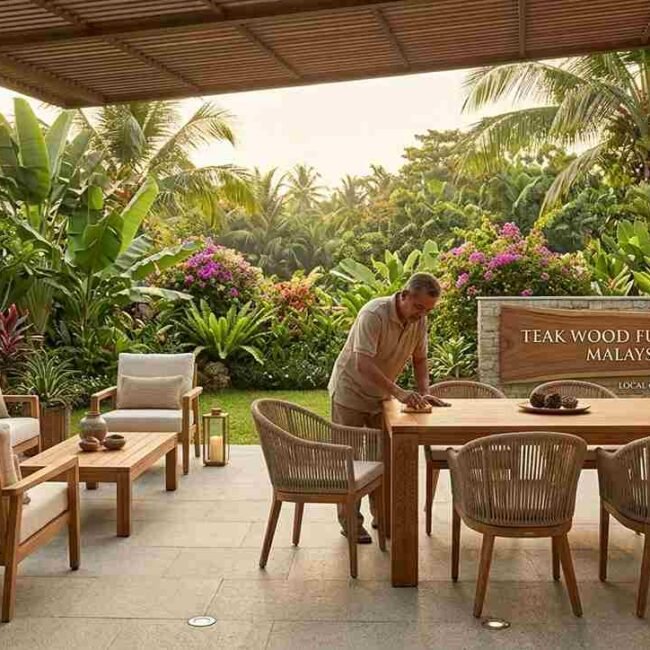
Walk into any Malaysian furniture shop in 2026 and the word “teak” will show up on at least half the price tags. Some of it is real. Some of it is rubberwood with a teak-coloured stain. And even among the real teak, the quality gap between RM 1,200 and RM 12,000 for a dining table is huge, and almost nobody explains why. If you’re trying to decide whether teak wood furniture Malaysia buyers rave about is actually worth the price, this is the honest breakdown.
Teak isn’t magic. It’s a specific tropical hardwood with specific properties, grown in specific places, and finished in specific ways. Once you understand those four things, every teak furniture decision becomes easier.
Let’s break it down the way a buyer should think about it, not the way the showroom tells it.
What Makes Teak Furniture Work in the Malaysian Climate
Teak holds up better than almost any other furniture timber in Malaysian humidity, heat and monsoon rain because it contains natural oils and silica that most other woods don’t. That’s the short answer.
The longer answer matters more. Malaysia sits at roughly 80 to 90 percent relative humidity for much of the year. Timber that works in dry climates (oak, maple, walnut) expands and contracts here in ways that crack panels and split joints. Teak doesn’t do that nearly as much. Its density runs around 650 to 750 kg per cubic metre, and the heartwood carries roughly 10 to 15 percent natural oil content. The oil repels water. The silica blunts the tools of insects that would eat other hardwoods.
That’s why teak has been the default marine timber for British, Dutch and Indonesian shipbuilders for over 200 years. If it survives a boat deck, it survives your balcony in Subang.
Three real-world results of that chemistry:
- Teak outdoor furniture in Malaysia routinely lasts 15 to 25 years with minimal care
- Teak indoor furniture (dining tables, beds, bookcases) commonly lasts 30 to 50 years
- Teak doesn’t need the heavy sealing that other tropical hardwoods demand
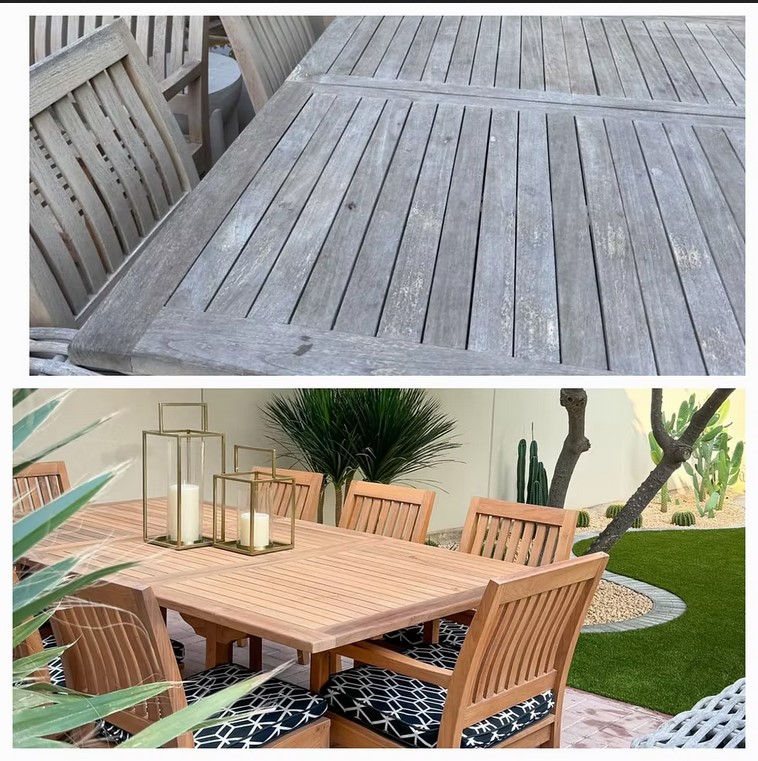
But teak isn’t invincible. Humidity will still raise the grain slightly over time. UV from direct sun will fade the colour from honey-brown to silver-grey within 6 to 12 months. Neither affects structural life. Both affect how the furniture looks. We’ll come back to that.
Where Teak Furniture in Malaysia Actually Comes From
Almost all teak furniture sold in Malaysia is made from Indonesian teak, not Malaysian teak. This is the first thing most showrooms won’t tell you clearly.
Here’s why that matters. Teak grows commercially in only a handful of countries. Indonesia (Java), Myanmar (formerly Burma), India, Laos and smaller operations in Thailand, Nigeria and Costa Rica. Myanmar teak, once the global benchmark, is now subject to EU and US import restrictions due to timber-legality concerns, so you’ll rarely see it in Malaysian retail. Indonesian teak from Perhutani-managed plantations has become the dominant supply source for the Southeast Asian market, and it’s what most reputable Malaysian retailers actually sell.
Honest Malaysian furniture businesses, including our own workshop in Shah Alam (Samz Design), are transparent about this. The wooden furniture we sell is made with Indonesian teak through long-standing hardwood partners. The raw timber is Indonesian, and we say so on our materials page.
Why does origin matter to you as a buyer?
- Indonesian plantation teak is sustainable and legally traceable
- Myanmar teak, if encountered, may be older-growth but comes with legal and ethical risk
- “Made in Malaysia” on a teak label almost always refers to assembly and finishing, not the timber itself
Anyone claiming they grow teak in Malaysia at commercial scale is either a very rare small-scale producer or stretching the truth. There’s no reason to feel suspicious of Indonesian sourcing, it’s the correct answer.
Teak Grades: A, B and C, and What You’re Actually Paying For
Teak is graded by the appearance, uniformity and oil content of the heartwood. The three common grades you’ll see in Malaysia:
| Grade | What You Get | Typical Use |
|---|---|---|
| Grade A | Heartwood only, uniform colour, high oil content, straight grain | Premium dining tables, outdoor furniture, luxury pieces |
| Grade B | Mix of heartwood and lighter sapwood, visible grain variation, moderate oil | Mid-tier indoor furniture, cabinetry, less critical pieces |
| Grade C | Mostly sapwood, lower oil content, more knots, colour variation | Entry-level furniture, bulk commercial orders |
Grade A teak costs roughly two to three times what Grade C costs per board foot. The difference shows up most clearly in two places: outdoor performance (Grade A ages beautifully, Grade C can split and discolour unevenly) and resale value (Grade A furniture holds its value for decades, Grade C depreciates like particleboard).
Most Malaysian retailers don’t label their teak by grade. That’s a problem. If a showroom can’t tell you which grade their teak is, assume it’s B or C. A seller who sources Grade A will almost always volunteer that information because it justifies the price.
A quick practical rule: for a solid teak dining table, Grade A pricing in Malaysia typically runs RM 4,500 to RM 12,000 for a 1.8m rectangular design. Anything significantly below that range is likely Grade B or C, or it’s veneer over engineered wood.
Teak Furniture Categories Popular in Malaysian Homes
Teak works in nearly every room of a Malaysian home, but it earns its price in some categories more than others. Here’s an honest category-by-category view.
Teak Dining Tables
The highest-return teak investment for most Malaysian households. A dining table takes daily abuse (hot plates, spills, laptops, children doing homework, Hari Raya open house serving) and teak absorbs all of it without permanent damage. Browse the dining tables category to compare sizes and styles. A 1.8m solid teak dining table sized for a typical Malaysian family will outlast two kitchen renovations.
Teak Bed Frames
A good teak bed frame outlasts most of the people who sleep on it. The timber doesn’t creak the way softer woods do once the humidity shifts seasonally, and it doesn’t need the metal reinforcement that lower-density hardwoods require. See bed frame options in our beds collection.
Teak Outdoor Furniture
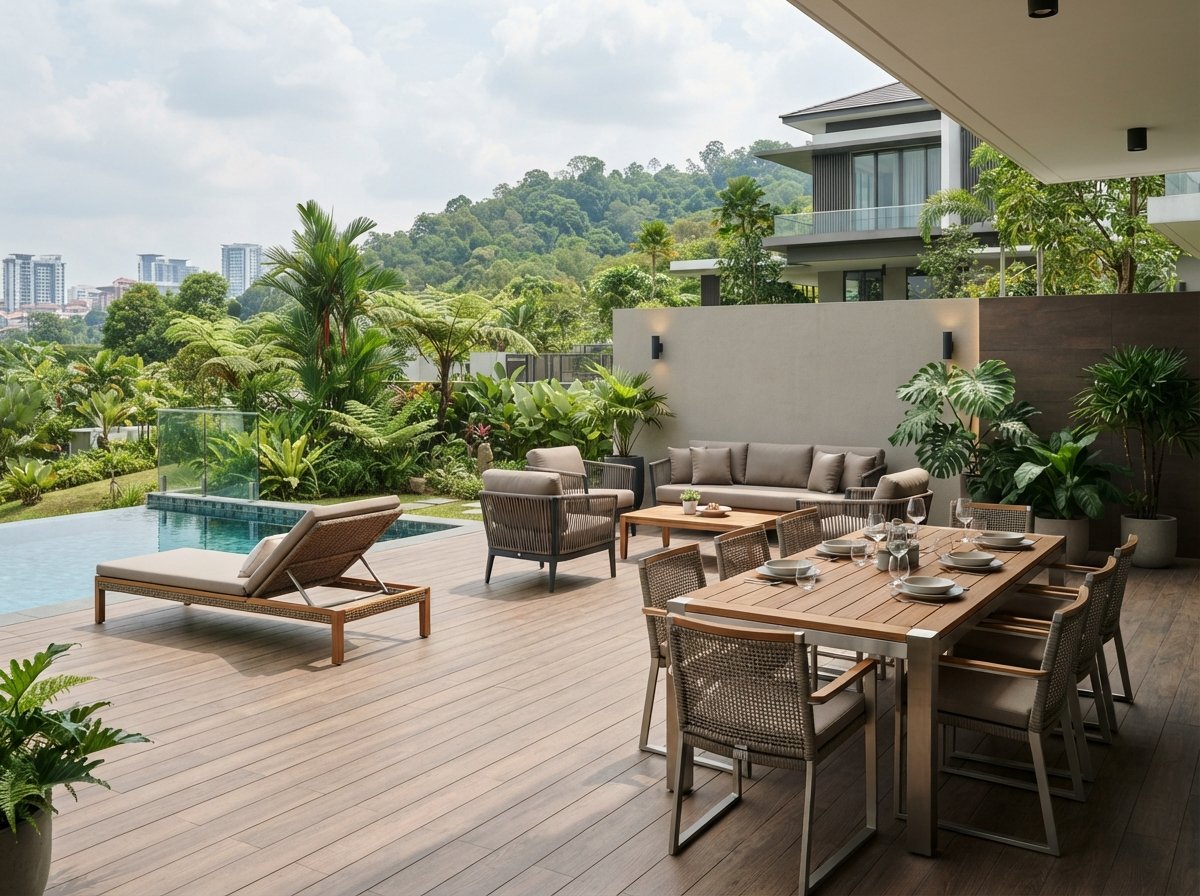
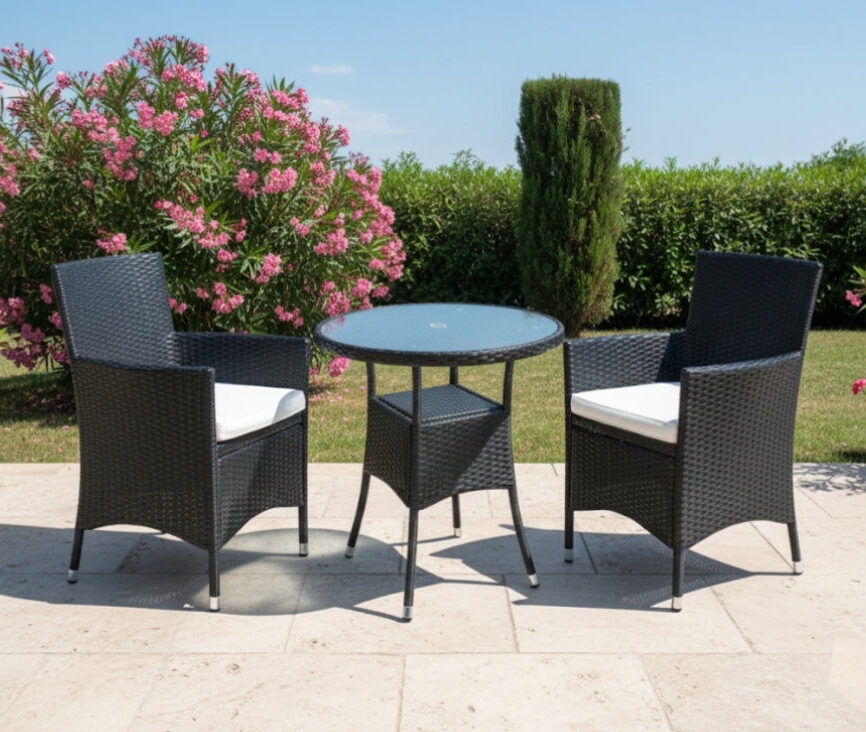
This is where teak’s natural oils earn their full keep. Outdoor sofas, dining sets, sun loungers and benches made from Grade A teak will survive 15 to 20 Malaysian monsoons with nothing but occasional cleaning. The full outdoor range sits in the outdoor furniture category. Note that outdoor teak will silver to a soft grey over time if left unoiled, which many buyers now prefer for a modern look.
Teak Living Room Furniture
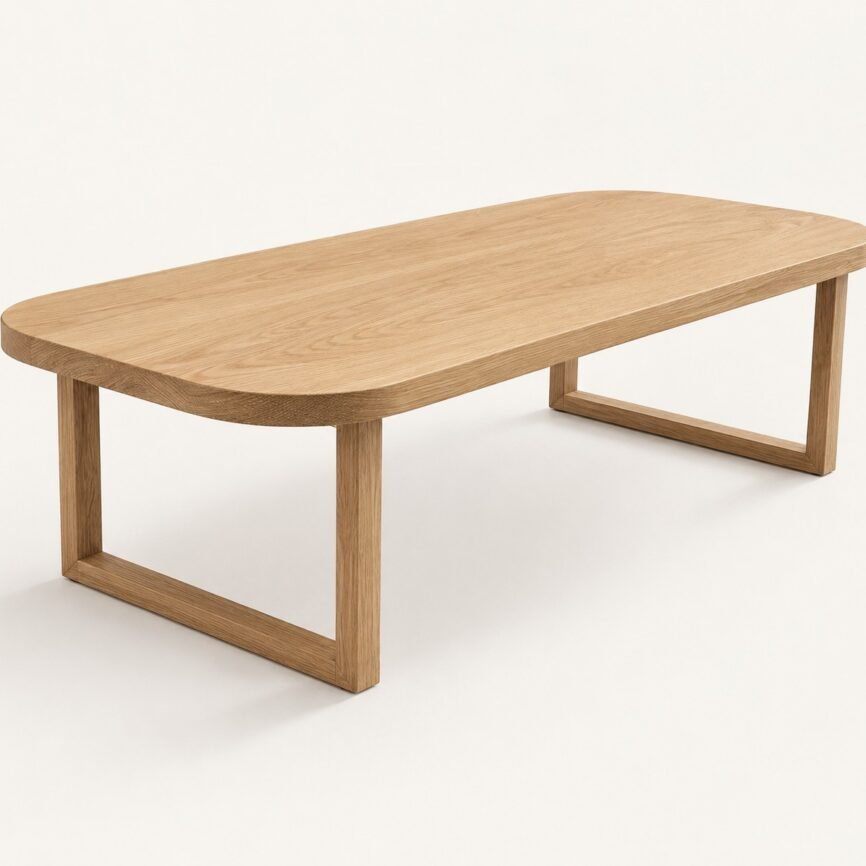
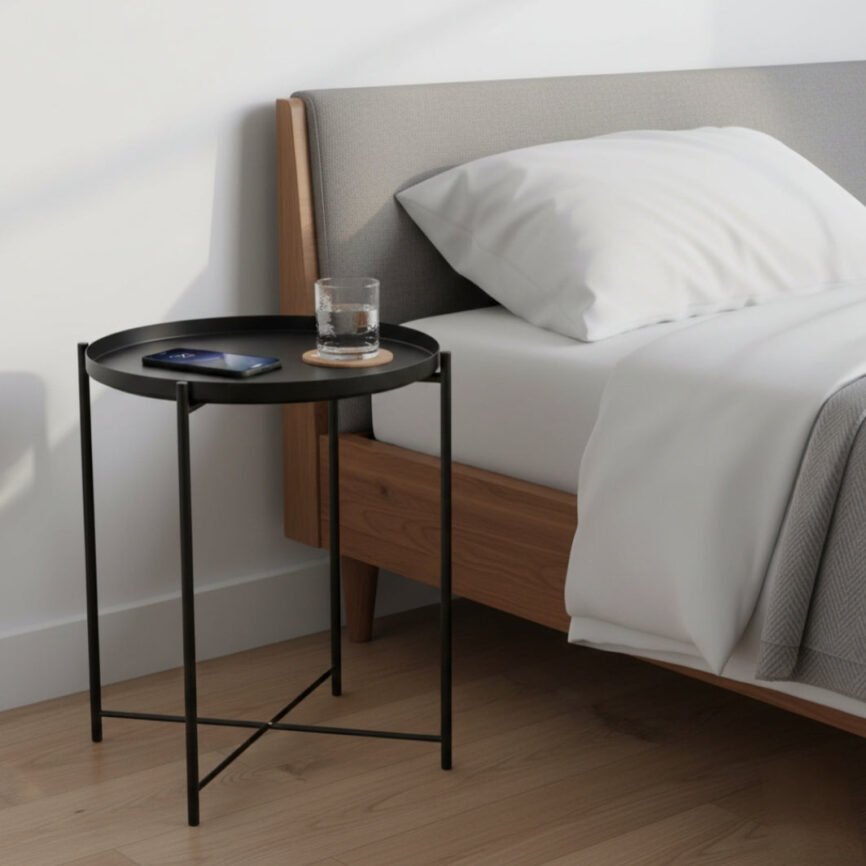
Side tables, console tables, TV consoles and coffee tables in teak suit both traditional and modern Malaysian interiors. The timber takes modern matte finishes as well as traditional glossy ones. Explore the full wooden furniture collection for options.
Teak Office and Study Furniture
A teak writing desk or home-office workstation is one of the longest-lifetime furniture purchases you can make. It’ll outlast three or four laptops.
How to Tell Real Teak From Fake Teak at the Showroom
Fake teak is everywhere in Malaysian retail. Rubberwood stained to look like teak, teak veneer glued over MDF, “Burma teak” that’s actually plantation Indonesian teak at a Burma-teak price. Four quick checks any buyer can do in the showroom:
- Weight test. Real teak is dense. Pick up a dining chair or small side table. If it feels light for its size, it’s not solid teak; it’s veneer or a different wood.
- Grain inspection. Real teak has straight, parallel grain lines, often with small dark flecks. Rubberwood has a more irregular, swirled grain. Oak has strong ray flecks that teak doesn’t have.
- Smell test. Freshly cut or sanded teak has a distinctive leathery, slightly oily smell. Finished teak is subtler but still present. Rubberwood has no distinctive smell. Treated veneer smells faintly of glue.
- Price reality check. Solid Grade A teak dining tables under RM 3,500 for 1.8m are almost always either misrepresented or lower grade. Trust pricing math more than labels.
Ask the seller directly: is this solid teak throughout, teak with teak veneer, or teak-stained rubberwood? A straight seller gives you a straight answer. An evasive one tells you what you need to know.
Caring for Teak Furniture in Malaysia’s Humidity
Teak furniture in Malaysia needs less maintenance than almost any other timber, but “less” isn’t “none”. The actual care routine depends on where the furniture lives and what colour you want it to keep.
Indoor teak furniture:
- Dust weekly with a dry microfibre cloth
- Wipe spills immediately with a damp cloth, never leave moisture to sit
- Apply teak oil once every 12 to 18 months to maintain honey colour
- Keep out of direct afternoon sun to prevent uneven fading
Outdoor teak furniture:
- Rinse with a hose and mild soap every 2 to 3 months
- Scrub lightly with a soft brush if mould appears (common in monsoon season)
- Decide early: oil annually to keep honey colour, or leave unoiled to silver naturally
- Store cushions indoors during monsoon weeks to prevent mildew on the fabric
The silver-grey patina that outdoor teak develops is not damage. It’s the natural weathering of the surface oils, and it doesn’t affect structural integrity. Many modern Malaysian homeowners now prefer the silvered look. If you want to restore the honey colour on silvered teak, light sanding followed by teak oil brings it back.
One honest warning: avoid pressure washers on teak. They strip the surface oils and raise the grain. A garden hose at normal pressure is the right tool.
Teak Furniture Pricing in Malaysia: What Drives the Numbers
A quick pricing framework based on what we see in the Malaysian market in 2026:
| Furniture Type | Grade A Solid Teak | Teak Veneer | Teak-Stained Alternative |
|---|---|---|---|
| 1.8m dining table | RM 4,500 – RM 12,000 | RM 2,000 – RM 4,500 | RM 800 – RM 2,000 |
| Queen bed frame | RM 3,500 – RM 9,000 | RM 1,800 – RM 3,500 | RM 900 – RM 1,800 |
| 3-seater outdoor sofa | RM 5,000 – RM 11,000 | Not recommended | Not recommended |
| Coffee table | RM 1,200 – RM 3,500 | RM 600 – RM 1,200 | RM 300 – RM 700 |
| Console / side table | RM 900 – RM 2,500 | RM 450 – RM 900 | RM 200 – RM 500 |
Prices should be verified against current showroom listings, as timber costs shifted upward through 2024 and 2025 due to tighter sourcing restrictions and ongoing Indonesian plantation management. Expect further movement in 2026.
What drives the top of each range:
- Grade A heartwood versus mixed grades
- Thickness of the solid timber used (25mm versus 40mm makes a visible difference)
- Joinery method (mortise-and-tenon versus dowel or screw)
- Finish quality (hand-rubbed oil versus spray lacquer)
- Workshop reputation and warranty terms
Where to Buy Teak Furniture in Malaysia
Three honest routes to buy teak furniture in Malaysia, each with real trade-offs:
Specialist furniture workshops with a showroom. You see the actual grade of timber, inspect joinery and talk to someone who understands what they’re selling. Prices sit in the middle of the market. Delivery and customisation are usually possible. Based in Subang, Shah Alam, Samz Design falls into this category. Visit our showroom at Pusat Perniagaan Subang to see the collection.
Big-box furniture retailers. Wider selection, lower prices on entry-level teak, often faster delivery. The trade-off is that grade transparency is poor and customisation is limited. Fine for secondary furniture, risky for premium pieces.
Imported luxury brands. Highest finish quality, highest price, longest warranties. Best for buyers who want a specific designer piece and have the budget to match. Expect premium pricing of 2 to 3 times what Malaysian workshops charge for comparable solid-teak construction.
For most Malaysian homeowners, the specialist workshop route gives the best value-to-quality ratio. You get Grade A timber, real craftsmanship and the ability to customise sizes, without the import markup.
FAQ: Teak Wood Furniture in Malaysia
Is teak furniture worth the price in Malaysia?
For dining tables, bed frames and outdoor furniture, yes. Teak lasts three to five times longer than cheaper hardwoods in Malaysian humidity, and the per-year cost works out lower. For low-use pieces like a guest-room nightstand, Grade A teak is harder to justify.
Is teak furniture waterproof?
No timber is truly waterproof, but teak comes close. Its natural oils resist water penetration, which is why it’s used on boats. For indoor use, assume it’s water-resistant, not waterproof. Wipe spills promptly.
Why does my teak outdoor furniture look grey?
Teak silvers naturally when exposed to UV and weather. The grey patina is the oxidation of surface oils and doesn’t harm the wood. If you prefer the original honey colour, apply teak oil annually. If you like the silver, leave it alone.
What’s the difference between teak and Burma teak?
Burma teak refers to old-growth teak from Myanmar, historically considered the highest grade. Due to import restrictions since 2019, genuine Burma teak is rare and legally complicated in Malaysia. Most “Burma teak” sold today is actually Indonesian plantation teak marketed under a premium name.
Can teak furniture be used indoors and outdoors?
Yes. The same material works for both, though outdoor pieces usually use thicker timber sections and simpler joinery. Many Malaysian homeowners move pieces like benches and small tables between covered patios and indoor spaces without issue.
How do I know if the teak furniture I’m looking at is real?
Check the weight, grain pattern and smell as described above, and ask the seller directly whether it’s solid teak, teak veneer or a different wood with a teak finish. Reputable sellers answer plainly.
Where is the teak in Malaysian furniture actually from?
Almost all of it is Indonesian plantation teak, sourced through long-standing Southeast Asian hardwood partners. Myanmar teak is rare due to legal restrictions. Malaysia itself does not produce commercial teak at any meaningful scale.
How often should I oil my teak furniture?
Indoor teak: once every 12 to 18 months with a quality teak or tung oil. Outdoor teak: once a year if you want to keep the honey colour, or never if you prefer the silvered look.
Finding the Right Teak Piece for Your Home
Buying teak furniture is a 20-year decision, not a this-week decision. Grade, origin, joinery and finish matter more than the brand name on the showroom tag. If you want a straight answer about any piece you’re considering, bring the measurements and the price to our Shah Alam showroom and we’ll walk you through what’s real, what’s not and what’s worth the money.
Browse our full wooden furniture collection online, or WhatsApp us on +60 17-689 0841 for availability and lead times.
Blog
Get fresh home inspiration and helpful tips from our interior designers